


Vitamin C and zinc are essential nutrients that your immune system relies on every day. Research shows that taking extra doesn't reliably keep colds away, but regular vitamin C may shorten a cold slightly, and oral zinc taken early may modestly shorten cold symptoms for some people. A yearly flu vaccine remains your best protection against influenza (it doesn't prevent the common cold), and a few everyday habits help guard against both. When a cold has left you drained, good nutrition and hydration are part of getting back to your routine. Once you're feeling better, IV hydration offers an option for a relaxing, individualized wellness visit.
How Vitamin C and Zinc Support Your Immune System
Vitamin C is an antioxidant your body can't make on its own, so it has to come from food. It plays an important role in immune function and is concentrated in white blood cells. Zinc is needed for the activity of hundreds of enzymes and supports immune function, wound healing, and cell growth.
That's why both show up in kitchen cabinets every fall. The useful question isn't whether these nutrients matter. It's whether taking more than a balanced diet provides changes how often you get sick, or how long a cold lasts.
Vitamin C and Colds: What the Research Shows
The most thorough answer comes from a Cochrane review of placebo-controlled trials using at least 200 mg of vitamin C a day.
- Prevention: In the general population, more than 10,000 people took part in trials of daily vitamin C. Their risk of catching a cold was essentially unchanged.
- Duration: Taking vitamin C regularly, before a cold started, was linked to colds that were about 8% shorter in adults and 14% shorter in children. For a week-long cold, that's roughly half a day.
- An interesting exception: In five trials of people under short bursts of intense physical stress, such as marathon runners, skiers, and soldiers training in subarctic conditions, regular vitamin C cut cold risk roughly in half.
- Starting once you're sick: Trials that began vitamin C after symptoms appeared didn't show a consistent benefit, though relatively few of these trials have been done.
Vitamin C is generally well tolerated. Very high oral doses can cause stomach upset or diarrhea, and the upper limit for adults is 2,000 mg a day from food and supplements combined. Five varied servings of fruits and vegetables can provide more than 200 mg.
Zinc and Colds: Promising, with Caveats
A 2024 Cochrane review pooled 34 studies with 8,526 participants. The cold-related findings largely come from zinc taken by mouth.
- Prevention: Taking zinc may make little to no difference in whether you catch a cold.
- Treatment: For people who already had a cold, zinc may have shortened symptoms by about two days. The reviewers rated their confidence in this as low, so future research could change the picture.
- Side effects: People taking zinc for a cold reported more non-serious side effects than those on placebo, most often an odd taste and stomach upset.
Most people get enough zinc from foods such as meat, seafood, dairy, beans, and whole grains. If you're considering a supplement, keep three key safety points in mind:
- Skip zinc nasal products. Intranasal zinc has been linked to permanent loss of the sense of smell (anosmia).
- More isn't better. The upper limit for adults is 40 mg a day. Taking 50 mg or more daily for weeks can interfere with copper absorption.
- Check your medications. Zinc can interact with certain antibiotics and with penicillamine. A pharmacist can help you time doses properly.
At a Glance: What the Evidence Supports
| Question | What Research Shows | How Solid Is the Evidence? |
|---|---|---|
| Do vitamin C and zinc support normal immune function? | Yes. Both are essential nutrients. | Well established |
| Does daily vitamin C prevent colds? | No meaningful reduction for most people | Consistent across many trials |
| Does daily vitamin C shorten colds? | Modestly: about 8% in adults, 14% in children | Consistent, but a small effect |
| Does vitamin C help if started after a cold begins? | No consistent benefit | Limited; few trials |
| Does vitamin C help people under extreme physical stress? | Cold risk roughly halved | Limited; five trials, about 600 people |
| Does zinc prevent colds? | Little to no difference | Low certainty |
| Can oral zinc started early shorten a cold? | May shorten symptoms by about two days | Low certainty; side effects common |
| How is IV nutrient delivery different? | Nutrients enter the bloodstream directly, bypassing digestion | Delivery route established; cold outcomes unproven |
| Does a yearly flu vaccine help? | The most important step against flu | Established CDC recommendation |
Oral vs. IV: Why the Delivery Route Matters
IV administration delivers nutrients directly into the bloodstream, bypassing the digestive tract. Oral nutrients pass through the gut, where absorption varies with the nutrient, dose, and formulation. It's a meaningful difference in how nutrients are delivered.
With IV vitamin C, delivery to the bloodstream is direct. At the high doses studied in research settings, IV vitamin C can reach blood concentrations far higher than oral supplements. At everyday amounts, the gut absorbs much of oral vitamin C, but absorption decreases as doses rise and blood levels eventually plateau. These differences in blood levels do not, on their own, establish better cold-related outcomes.
Oral zinc is absorbed through the digestive tract, with absorption varying by formulation and diet. Zinc lozenges dissolve slowly in the mouth and throat and may also act locally. IV zinc bypasses digestion and enters the bloodstream directly. Research on oral zinc cannot automatically be applied to IV zinc.
Both oral and IV options can provide nutrients, but the delivery route is only one consideration when choosing a service or supplement.
Oral and IV Nutrient Delivery
Two distinct routes into the bloodstream
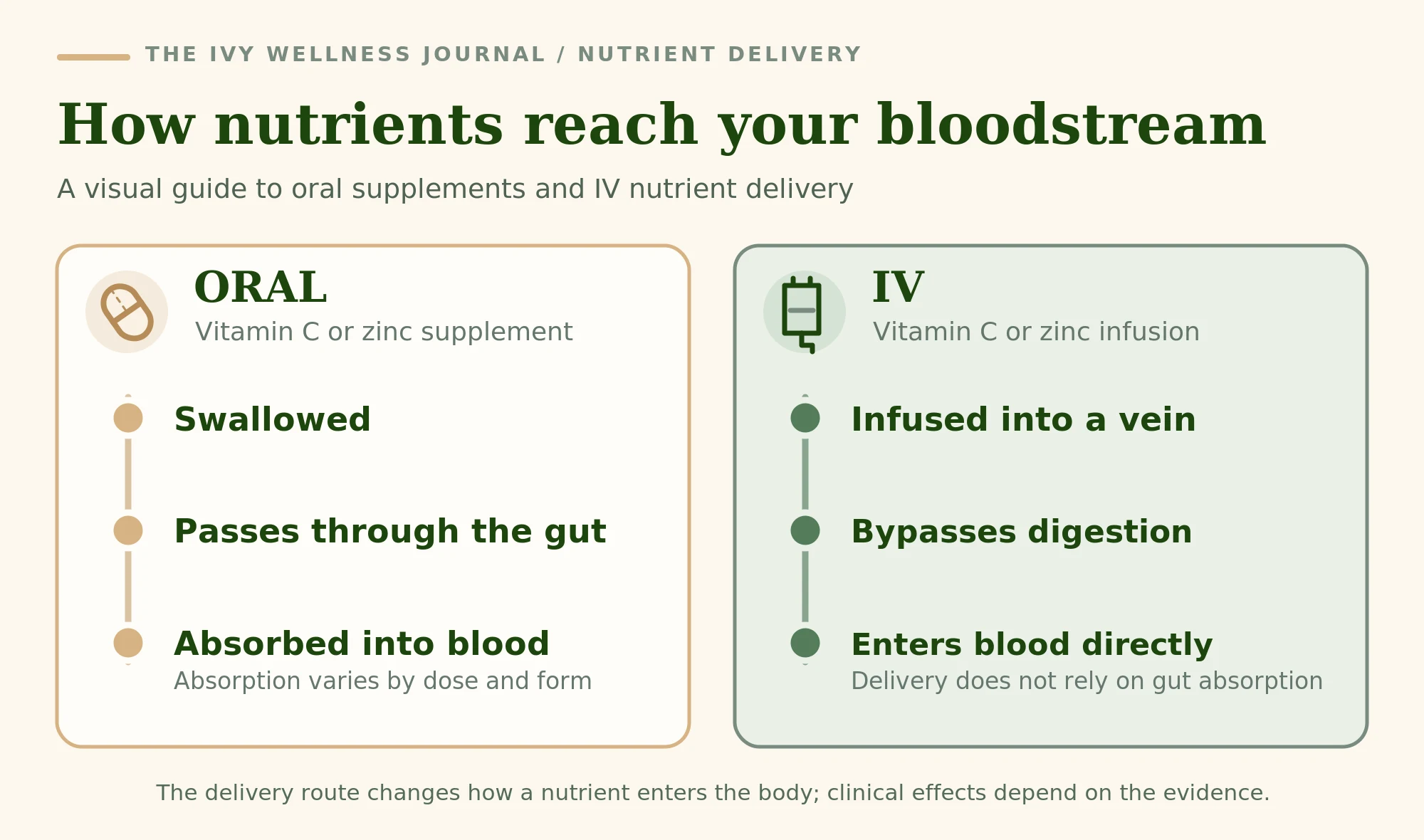
Figure 1. Oral and IV nutrient delivery: two routes into the bloodstream.
Habits with the Strongest Evidence This Season
- Get your flu vaccine. CDC recommends a yearly flu vaccine for everyone 6 months and older as the first and most important step, ideally by the end of October. If you haven't gotten yours yet, it's still worth doing while flu is circulating.
- Wash your hands often with soap and water, and avoid touching your eyes, nose, and mouth.
- Cover coughs and sneezes, and keep your distance from people who are sick.
- Freshen indoor air with outside air or filtration when you can.
- Rest and rehydrate when you're under the weather. Fever, sweating, and a poor appetite all make it harder to keep up with fluids.
- Eat a varied diet and protect your sleep. Citrus, peppers, kiwi, and broccoli supply vitamin C; seafood, meat, dairy, and beans supply zinc.
- Call your clinician early if you're at higher risk of flu complications. Prescription antivirals work best when started within two days of getting sick.
Getting Back on Your Feet: Hydration, Nutrients and a Little Time for You
Even a mild cold can leave you feeling flat for days. Between fever, sweating, and a low appetite, it's easy to fall behind on fluids and on foods rich in vitamin C and zinc. Once you're on the mend, it's a natural moment to restock, slow down, and ease back into your routine.
At The Ivy Lounge Wellness in Irving, that can look like an hour in a quiet, private suite, settled into a zero-gravity recliner while an IV drip delivers fluids and selected nutrients. Our IV drip menu and IM shots include several options with vitamin C, zinc, or both, alongside B vitamins, magnesium, and electrolytes.
Every visit is individualized. A licensed clinician reviews your health history and vital signs, then helps you choose the service that suits you that day. Many guests find a visit easy to fit into a regular self-care routine, and memberships make it simple to return through the busy season.
Feeling better and ready for a reset? Book your visit and our team will help you find the right fit.
Frequently Asked Questions
Should I take vitamin C every day during cold season?
Most people meet their needs through food. Regular supplements may trim a cold slightly but won't prevent one.
Can zinc help shorten a cold?
Oral zinc started soon after symptoms begin may shorten a cold, although the evidence is low certainty and an unpleasant taste or stomach upset can occur. Follow label directions and avoid zinc nasal sprays or gels.
Can I book an IV after a cold?
Absolutely. Once you're feeling better, a visit is a lovely way to rehydrate, relax, and ease back into your routine. Our clinical team will help you choose the drip or shot that suits you best.
How does IV vitamin C differ from oral vitamin C?
IV vitamin C goes directly into the bloodstream, bypassing intestinal absorption. At the high doses used in research, it can produce much higher blood concentrations than oral vitamin C. Higher concentrations alone do not establish greater benefit for a common cold.
The Bottom Line
- Vitamin C and zinc are important nutrients, not a force field.
- Regular vitamin C may shave a little time off a cold, and early oral zinc may help some people, with real uncertainty.
- The habits with the strongest evidence are simple: your flu vaccine, clean hands, a colorful diet, and good sleep.
- When a cold runs you down, rest, fluids, and a little time for yourself go a long way.
References
- NIH Office of Dietary Supplements. Vitamin C: Fact Sheet for Health Professionals. Updated July 31, 2025. https://ods.od.nih.gov/factsheets/VitaminC-HealthProfessional/
- NIH Office of Dietary Supplements. Zinc: Fact Sheet for Health Professionals. Updated January 6, 2026. https://ods.od.nih.gov/factsheets/Zinc-HealthProfessional/
- Hemilä H, Chalker E. Vitamin C for preventing and treating the common cold. Cochrane Database of Systematic Reviews. 2013;(1):CD000980. doi:10.1002/14651858.CD000980.pub4. https://www.cochrane.org/evidence/CD000980_vitamin-c-preventing-and-treating-common-cold
- Nault D, Machingo TA, Shipper AG, et al. Zinc for prevention and treatment of the common cold. Cochrane Database of Systematic Reviews. 2024;(5):CD014914. doi:10.1002/14651858.CD014914.pub2. https://www.cochrane.org/evidence/CD014914_zinc-prevention-and-treatment-common-cold
- Centers for Disease Control and Prevention. Preventing Seasonal Flu. Updated September 1, 2026. https://www.cdc.gov/flu/prevention/
- NIH National Center for Complementary and Integrative Health. 5 Tips: Natural Products for the Flu and Colds: What Does the Science Say? https://www.nccih.nih.gov/health/tips/tips-natural-products-for-the-flu-and-colds-what-does-the-science-say
Educational disclaimer: This article is for general education and is not a substitute for individualized medical advice, diagnosis, or treatment. IV and injectable nutrient services are elective and are not intended to diagnose, treat, cure, or prevent any disease. Talk with a qualified healthcare professional about your situation.
Commercial disclosure: The Ivy Lounge Wellness provides IV and injectable nutrient services mentioned in this article.